Make a VIDEO: My goal is to help you, as a 360 homeowner, understand what matters most when it comes to maintaining, improving and maximizing your home’s equity. That means knowing which upgrades are worth investing in, both functionally and cosmetically, which improvements can help prevent larger expenses down the road, and where your money has the greatest potential to protect or create additional value and equity.
Our homes are no longer new. While the majority of 360 was built around 2014, some of the earliest model homes date back to 2007, putting certain properties at nearly 20 years old. As homes reach this stage, many original fixtures, appliances, mechanical systems and plumbing components are naturally beginning to require more attention, maintenance or replacement.
Staying ahead of these items is about much more than convenience. It is about protecting the home you have already invested in, avoiding preventable damage, preserving your equity and, just as importantly, saving yourself from much larger repair costs later. A small issue caught early can often be far less expensive than the damage it may cause if ignored.
It is also about understanding where your property stands in today's market, which improvements make sense now, and which upgrades may position your home for greater value in the future.
The decisions you make today can have a meaningful impact on both your home's future value and the options available to you down the road. Whether you plan to stay for another 20 years, eventually turn the property into a rental, sell and move into another home within 360, or take your equity elsewhere, the goal is the same:
Protect YOUR home, protect YOUR equity, save yourself money over time and put yourself in the strongest possible position for whatever comes next.
Many homes in 360 are now reaching the age where normal wear, plumbing components, appliances, HVAC systems and other mechanical items deserve more attention.
The goal is not to wait until something breaks. It is to stay ahead of the things that can create larger and more expensive problems.
Leaks have been one of the most common issues I have seen throughout the community. They can come from aging shutoff valves, faucets, plumbing connections, toilets, wax rings, flanges, water heaters, builder related issues and even something as simple as a nail that eventually affects a pipe.
Small preventative repairs can make a major difference.
Periodically checking plumbing connections, toilets, faucets, water heaters, HVAC systems and appliances can help protect the home itself and, ultimately, the equity you have built.
Hard water is one of the most important issues 360 homeowners should understand.
Over time, mineral buildup can affect faucets, valves, plumbing fixtures, shower components, water heaters and appliances. Many of the plumbing related problems I have seen throughout the community have involved components that are constantly exposed to our water supply.
Upgrading older valves and plumbing fixtures before they fail can be one of the smartest preventative steps a homeowner can take.
A whole home water softening system may also be worth considering. Depending on the system and installation, these can often cost a few thousand dollars, but the benefit goes far beyond softer water. Reducing mineral buildup can help protect fixtures, appliances and plumbing components throughout the home.
It is one of those upgrades you may not immediately see, but you may appreciate for years.
Every homeowner should have their own version of a reserve fund.
HOAs plan for future expenses. Homeowners should think the same way.
As homes age, major systems eventually need to be repaired or replaced. A water heater may cost approximately $2,500 to $3,000 or more. HVAC replacement can easily move into the $10,000 to $20,000 range depending on the system. Refrigerators and other major appliances can range from around $1,000 to several thousand dollars.
None of these expenses necessarily mean there is anything wrong with your home. They are simply part of long term ownership.
Planning ahead allows you to make thoughtful decisions instead of expensive decisions under pressure.
I recommend homeowners think about their property in terms of the next one, three and five years and begin setting aside money for the systems most likely to need attention.
Not every 360 home is equal anymore.
As the community has matured, buyers have become much more selective. Floor plan, location, natural light, orientation, privacy, condition and upgrades can all have a meaningful effect on desirability.
That means the right improvements can matter tremendously.
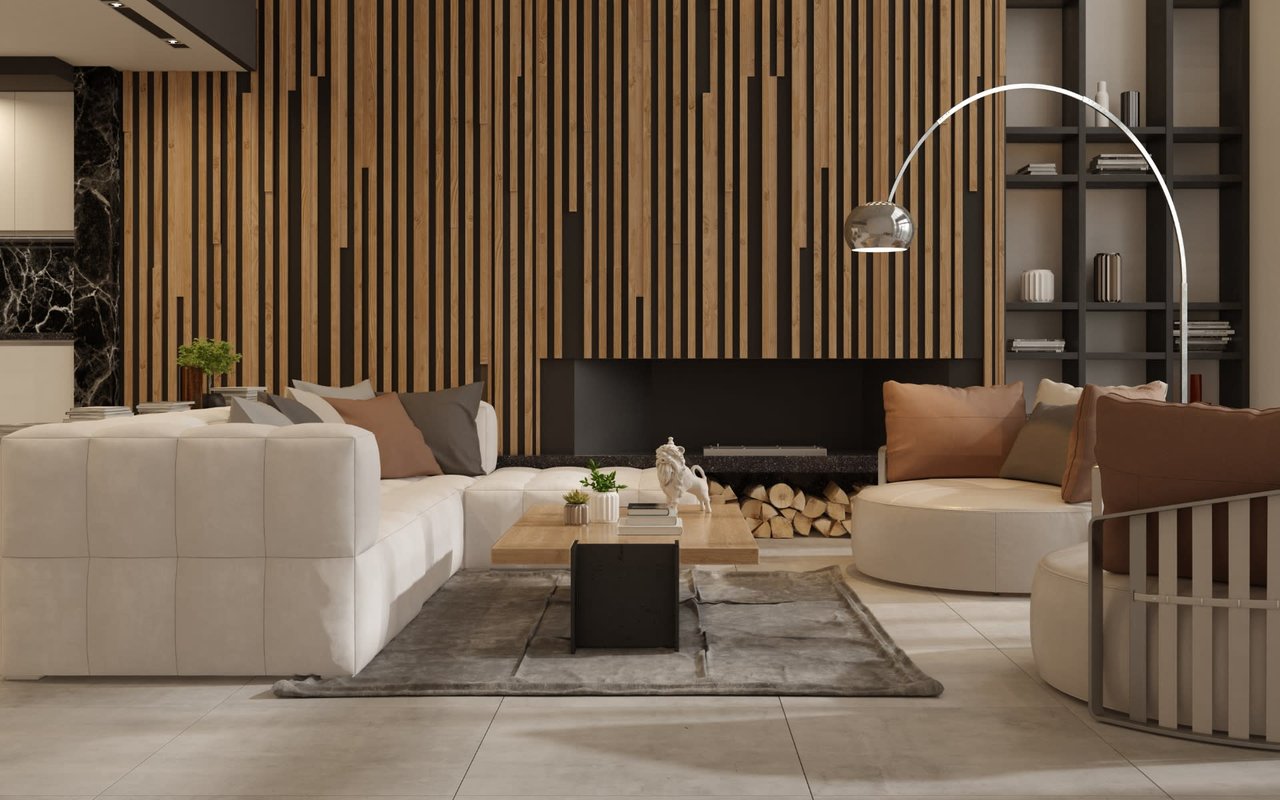
Some of the finishes that consistently create a cleaner, more current look include light oak or similar hardwood flooring, warm white paint such as Swiss Coffee or Alabaster, white cabinetry, lighter countertops, updated lighting and cohesive finishes throughout the home.
Depending on the property, painting may cost approximately $3,500 to $7,000. Cabinet refinishing may run approximately $1,500 to $3,000. Replacing flooring throughout a home with quality light oak or hardwood can easily reach $10,000 to $18,000 or more.
These are meaningful investments, which is exactly why it is important to understand where the money should go.
The goal is not to renovate simply for the sake of renovating.
The goal is to spend money where buyers will notice it and where it has the best opportunity to protect or increase your value.
This is one of the most important questions a homeowner can ask.
Some properties in 360 still have original carpet, darker cabinetry, older countertops and builder finishes. Others have been transformed into homes that feel completely different from what was originally delivered.
So instead of only asking:
What is my home worth today?
I think homeowners should also ask:
What could my home realistically be worth at its absolute best?
Imagine taking a larger Terrace floor plan and completely transforming it with wide plank light oak flooring, custom cabinetry, Thermador appliances, a statement marble or quartzite island, upgraded bathrooms, designer lighting, solar and a truly cohesive luxury finish throughout.
Could that dramatically increase desirability and value? Absolutely.
But every property also has a ceiling.
A spectacular renovation does not automatically mean every dollar spent will come back at resale. Location, floor plan, views, orientation, outdoor space, privacy and the surrounding market still matter.
That is why I like looking at three numbers:
Your Value Today
What would the home realistically sell for in its current condition?
Your Potential Value
What could an exceptionally upgraded version of your particular property potentially command?
The Cost to Get There
Would spending $25,000, $75,000, $150,000 or more actually create enough additional value to justify the investment?
Sometimes a major renovation makes sense.
Sometimes a carefully targeted refresh produces the better return.
And sometimes the smartest decision is to preserve your cash and leave the home largely as it is.
The goal is not to spend the most money.
The goal is to understand the ceiling of your property and the smartest path toward it.
Two homes with the same square footage are not automatically worth the same amount.
Within 360, location inside the community, floor plan, floor level, orientation, natural light, privacy, views, outdoor space, garage configuration, condition and quality of upgrades can all influence value.
That is why an automated valuation only tells part of the story.
I prefer to look at both:
What your home is worth today and what your home could potentially be worth with the right improvements.
Those can be two very different numbers.
Keep It, Rent It or Sell It?
Selling is only one option.
For many homeowners, the better question is what role the property should play in the next stage of their life.
You may decide to stay.
You may decide to move and keep the property as a rental.
You may decide that your equity could be better used toward another home or investment.
If you are thinking about renting the property, it is important to look beyond the monthly rent. Mortgage payments, HOA dues, property taxes, insurance, maintenance, vacancy and future repairs all matter.
If you are thinking about selling, you should understand approximately how much equity you could walk away with after debt and selling expenses.
And if you are staying, you should know which improvements are worth making for your enjoyment and which may also help protect your future resale value.
The best decision is the one that gives you the strongest combination of lifestyle, flexibility and financial position.
A home can be a great investment and still eventually stop fitting your life.
Every few years, I think homeowners should ask themselves some basic questions.
Do I see myself here for another three to five years?
Do I need another bedroom?
Would I benefit from more outdoor space?
Will stairs eventually become an issue?
Has my work situation changed?
Could remodeling solve what I need, or am I trying to force the wrong home to work?
Would another floor plan inside 360 fit me better?
Would I eventually prefer a single family home?
And one of my favorite questions:
If you had all of the equity in your home sitting in cash today, would you buy this same property again?
There is no right answer.
The purpose is simply to make sure your home continues to work for your lifestyle, your finances and your future.
If you want a clearer picture of where you stand, I can help you look at your home through a longer term lens.
We can review your current condition, major systems, upgrades, floor plan, location within 360, estimated market value and future potential.
From there, we can look at what may make sense over the next one, three and five years.
That might mean replacing a few aging components.
It might mean completing a strategic renovation.
It might mean doing absolutely nothing.
It might mean preparing the home as a future rental.
Or it may eventually mean using your equity to make your next move.
Maintain it. Protect it. Improve it. Understand your options.
The more you understand about your home today, the more control you have over what you can do with it tomorrow.